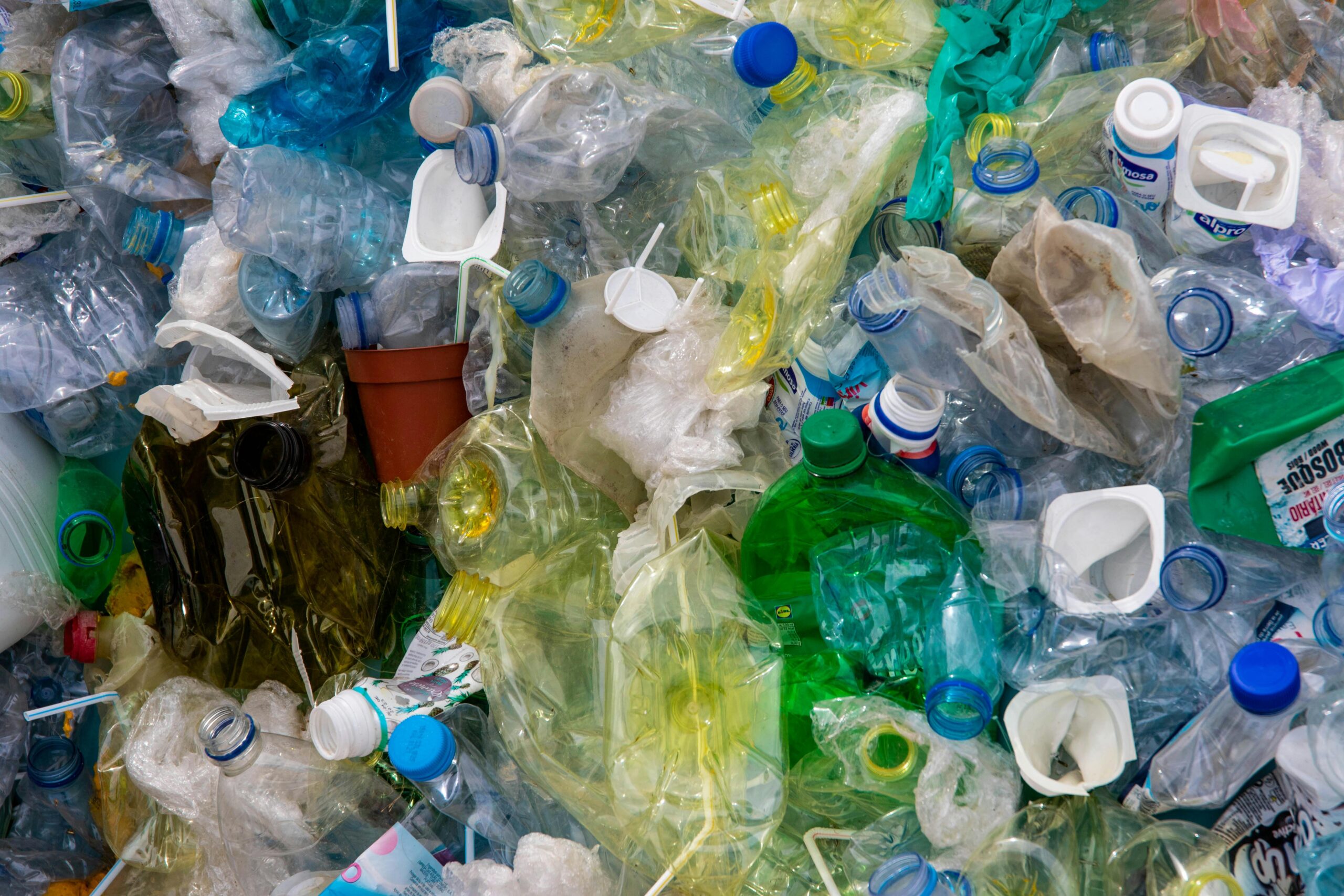
Plastic waste is one of the most pressing issues contributing to pollution. Every year in the United States, we consume over 50 billion water bottles, and that is only a fraction of what we produce and use. By 2050, plastic pollution worldwide is expected to double, while less than 10% of plastic is recycled. Recycling rates in Montana are considerably lower than national averages.
There are many ways that we can reduce our plastic footprint here in Flathead County. The best way to do so is to prioritize reusable products. One reusable water bottle can keep over 150 plastic water bottles out of the landfill per year, and reusable grocery bags can keep each household from throwing away over 1,500 grocery bags. Another option is to search for items packaged in less plastic. This includes buying items in bulk or packaged in glass or cardboard. There are many recycling services in the Valley. Green box recycling sites such as Valley Recycling and curbside services such as Black Bear and Green Montana, accept clear plastic bottles labeled number 1 or number 2.
Continued national practices of overpacking in plastic and few recycling options contribute to our ever-growing problem. As the issue of plastic pollution persists, technological innovations have become an option to combat the problem.
An estimated 33 billion pounds of plastic enter waterways each year. As plastic sits in water, it breaks into small microplastics. Microplastics are found everywhere, including lakes, rivers, and the ocean. These microplastics are nearly impossible to remove from water. Recent scientific developments have sparked encouragement on the ability to filter microplastics out of small waterways. “Gillbert”, a robotic, remote-controlled fish that swims with an open mouth collecting microplastics in its gills and pushes clean water out. Once the microplastics are in the fish, the fish has a microbial fuel cell that breaks down the plastics and converts them to energy. This design is one of the many examples of inventions to reduce our plastic footprint.
Gillbert is an invention that has the “wow” factor, but is not a simple, everyday item. Other inventions aim to combat day-to-day plastic use. Multiple companies have committed to creating a more sustainable form of packaging. EcoEnclose, based in the United States, creates seaweed-based packaging that will completely decompose. Companies, such as NotPla, based in the United Kingdom have created seaweed containers for water, they can be both consumed and composted. The packaging will break down in a few weeks if left to decompose.
Plastic pollution is a growing problem, but not an unsolvable one. Both large scale inventions and individual choices can contribute to fighting the crisis. These actions can contribute to protecting our waterways, environment, and health.