Landfill fires are incredibly common across the United States, with over 8,300 occurring every year. These fires can be both surface and deep-seated, meaning they are more than 5 yards below the surface. Fires on the surface can be easy to control, but deep-seated fires are more difficult to contain as they are not easily accessible.
These fires pose a danger to public and environmental health as the burning waste releases toxins into the air, water, and soil. The risk is not only in emissions, but also in the weakening of the landfill structure. Deep-seated fires can weaken layers of the waste, and damage liners meant to contain leachate (a contaminated liquid in the landfill).
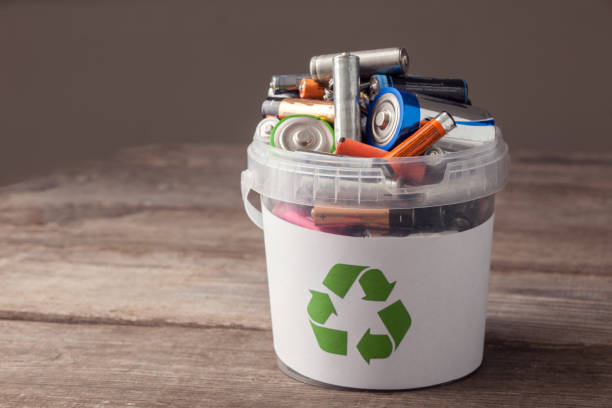
Every year the Flathead County Landfill experiences numerous fires for a variety of reasons. A growing concern is the increase in fires caused by the improper disposal of rechargeable batteries.
The two most common, and dangerous, types of rechargeable batteries are lithium-ion and nickel cadmium. Lithium-ion batteries are the kinds of batteries that come in cell phones, tablets, laptops, or modern vaping devices. Nickel cadmium batteries are widely used in portable power tools, photography equipment, flashlights, and older portable electronic devices.
Most lithium-ion and nickel cadmium batteries come with a warning to never expose them to heat. Doing so may melt the insulation, ignite hydrogen gas, cause leakage of battery fluid, or cause the battery to burst into flame. Lithium-ion batteries are particularly flammable because lithium will react with water, even just moisture in the air, to generate heat and sometimes fire.
In addition to being fire hazards, lithium-ion and nickel cadmium batteries contain dangerous materials that can be toxic in certain concentrations and are considered toxic pollutants under the Federal Water Pollution Control Act of 1972. Though it is unlikely these materials would be released during conventional use, in the advent of a fire the metals in these batteries run the risk of vaporizing and polluting the air and water.
If we cannot dispose of our batteries in the landfill, where should we? There are plenty of designated battery recycling locations spread across the Flathead Valley. Details on where to take batteries can be found on our Where to Recycle Brochure.
You won’t be alone in recycling your old batteries. Lead-Acid batteries are the number one most-recycled item in the U.S., with a 99 percent recycling rate. Furthermore, lithium ion and nickel cadmium batteries are made of virtually 100 percent recyclable material so recycling them significantly reduces the demand to mine and produce more of these materials.
With the increasing amount of landfill fires every year, it is important to keep batteries out of our trash cans and out of the landfills. By doing so, we help protect both public and environmental health.